
Corneal Grafting
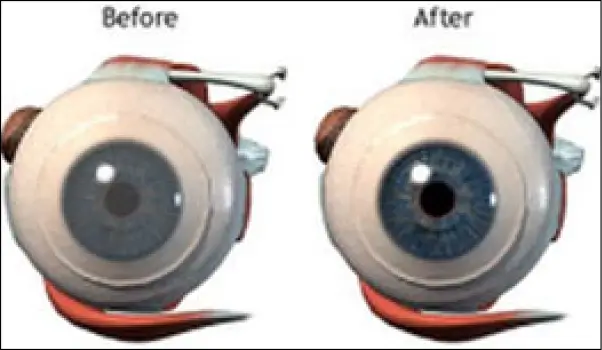
The cornea is the clear outer layer covering the eye. It helps focus and transmit light as it passes through the lens onto the retina. When the cornea is damaged beyond repair, a donated cornea (screened for infectious diseases) is transplanted in its place.
Causes

Congenital abnormalities

Childhood infections like measles

Severe trauma

Degenerative diseases due to exposure to harsh light
Types
Partial thickness / Lamellar grafts — Used when only the front surface of the cornea is damaged. Only the damaged layers are replaced, leaving healthy tissue intact.
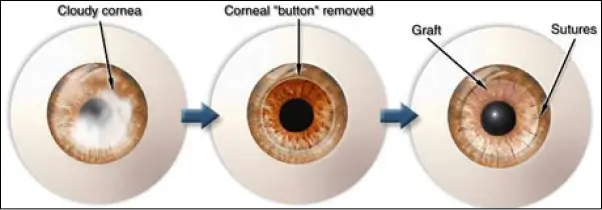
Full thickness / Penetrating grafts — The entire cornea is replaced. This is the more common type of corneal graft and is used when the whole cornea is damaged.
The surgery is an hour-long operation. Stitches stay up to 2 years. Full healing takes at least a year. The eye is covered with a pad and plastic shield, removed the next day. Patients return home within hours.
After Surgery
Eyesight will be blurred immediately after surgery. The eye may water and be light-sensitive. Sight will fluctuate during the healing period.
